

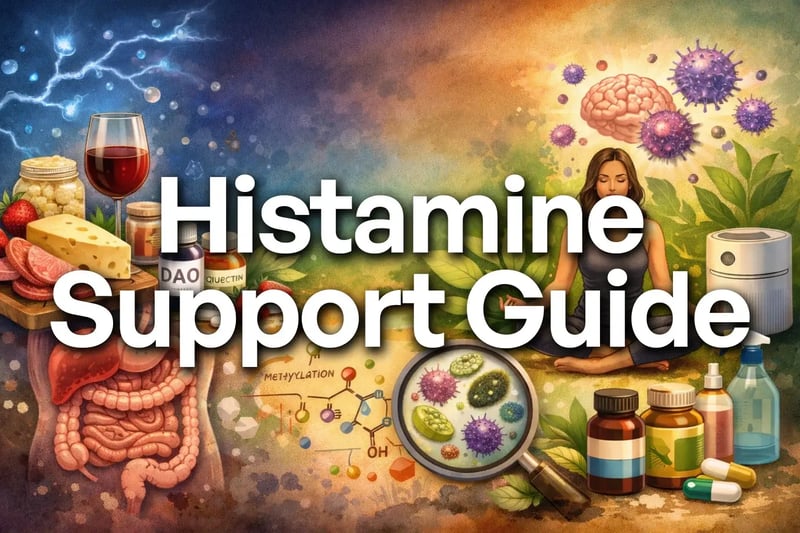
How to Calm Histamine, Reduce Flares, and Fix the Root — Not Just the Reaction
Disclaimer: The information provided is for educational purposes and should not be considered medical advice. Always seek the advice of your physician or other health provider with any questions you may have regarding a medical condition..
When Histamine Is Out of Control — Symptoms Can Look Like This
Histamine overload doesn’t just mean “allergies.” It can hit multiple systems at once.
Common symptoms include:
-
Migraines or pressure headaches
-
Trouble falling asleep or staying asleep
-
Racing heart or palpitations
-
High blood pressure swings
-
Dizziness or vertigo
-
Anxiety or panic-type feelings
-
Nausea or vomiting
-
Abdominal cramping or diarrhea
-
Flushing or sudden redness
-
Nasal congestion or sneezing
-
Shortness of breath feeling
-
Hives or itching
-
Fatigue crashes
-
Tissue swelling
-
Cycle irregularities
📌 If this feels random and unpredictable — that’s often a histamine clue.
First — Let’s Get One Thing Straight
Histamine issues usually come from one of two buckets:
A) You’re not breaking histamine down well (clearance problem)
B) Your mast cells are dumping too much histamine (release problem)
This guide helps calm both — while you work on the deeper root causes.
The 4 Highest-Impact Ways to Lower Histamine Load
Not magic. Not hype. Just what actually works.
1️⃣ Temporarily Lower High-Histamine Foods (Flare Control Mode)
This is a short-term calming strategy, not a forever diet.
When symptoms are flaring, reducing histamine load gives your system breathing room.
Biggest Histamine Hitters:
Alcohol
-
Wine, beer, champagne, cider — top triggers
Fermented + Aged
-
Sauerkraut, kimchi, vinegar, soy sauce
-
Aged cheeses, cured meats
Common Triggers:
-
Chocolate
-
Nuts (peanuts, cashews, walnuts, pistachios)
-
Cow’s milk
-
Citrus fruits
-
Strawberries, bananas, avocado, pineapple
-
Tomatoes, spinach, eggplant
-
Shellfish & smoked fish
Sneaky Trigger Most People Miss:
👉 Leftovers
The longer cooked food sits → the more histamine builds.
Fresh cooked > reheated 3-day-old container.
If needed during higher histamine meals:
DAO enzyme support before eating can help buffer reactions.
2️⃣ Gut + Stress Support (This Is Where Most People Screw It Up)
You cannot out-supplement a wrecked gut and fried nervous system.
🧠 Stress First
Stress directly increases mast cell activation.
More stress = more histamine release. Period.
Daily non-negotiables:
-
Walking outside
-
Slow breathing
-
Phone-off time
-
Heat (baths / sauna)
-
Nervous system downshifting
No — grinding harder is not the answer here.
🦠 Gut Support
Most histamine intolerance starts in the gut.
Why?
-
DAO enzyme is produced in the gut lining
-
Gut damage = poor histamine breakdown
-
Dysbiosis & SIBO increase histamine load
Helpful supports:
-
Low-histamine probiotics (strain-specific matters)
-
Gut lining repair nutrition
-
Remove food allergens temporarily
-
Treat infections when present
Short-term fasting (16–24 hr) can sometimes calm an active flare — but not for everyone and not without supervision.
3️⃣ Clean Up Your Environment (Trigger Reduction)
Your immune system counts chemical exposure as threat load.
Lower the background noise.
High-Impact Changes:
-
Ditch scented candles & plug-ins
-
Skip perfume & fragranced lotions
-
Use fragrance-free laundry detergent
-
Switch to hypoallergenic personal care
-
Vacuum + wash bedding frequently
-
Keep windows closed during high pollen days
-
Use air filtration if possible
-
Reduce mold & dust exposure
Less immune irritation = less mast cell reactivity.
4️⃣ Targeted Supplement Support (Use Tools — Don’t Guess)
These are support tools, not root-cause cures — but they can dramatically reduce symptom load.
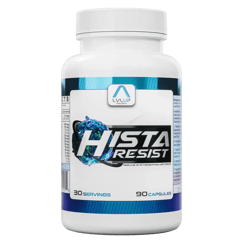
HistaResist is a powerful combo that has multi level support for calming histamine and stabilizing mast cells as well as food reactions. You can order here and use code FITMOM: https://lvluphealth.com/product/hista-resist/
🔹 DAO Enzyme Support
Helps break down histamine from food before it hits your system.
Best used:
-
Before higher-histamine meals
-
During food-triggered reactions
🔹 Mast Cell Stabilizers
Quercetin
-
Natural mast cell stabilizer
-
Reduces histamine release
-
Antioxidant support
🔹 Histamine Breakdown Nutrients
Histamine is cleared through:
-
DAO pathway (gut)
-
HNMT pathway (methylation in tissues/liver)
Support nutrients include:
-
B vitamins
-
Copper (balanced, not excess)
-
Magnesium
-
Vitamin C
🔹 Methylation Support (Often Overlooked)
If methylation is sluggish → histamine clearance slows.
TMG (Trimethylglycine) can support:
-
Methylation capacity
-
HNMT enzyme pathway
-
Tissue histamine breakdown
🔹 Estrogen Balance Support
Estrogen stimulates mast cells.
Mast cells release histamine.
Histamine stimulates more estrogen.
That’s a nasty feedback loop.
Supports like DIM + CDG can help:
-
Improve estrogen metabolism
-
Lower estrogen dominance
-
Reduce mast cell stimulation
⚠️ Medication Options (When Needed — Not First Line)
Stronger options exist:
-
Prescription mast cell stabilizers
-
Antihistamines
-
H2 blockers
These can help symptom control —
but they do not fix the root cause.
Use when necessary. Don’t stop there.
Don’t Miss the Root Causes
Histamine intolerance is often downstream of:
-
SIBO
-
Gut infections
-
Hormone imbalance
-
Mold exposure
-
Toxin load
-
Chronic stress overload
-
Nutrient deficiencies
If you only block histamine — but never fix why it’s high — you stay stuck in reaction mode.
What To Do Next?
Schedule a free Root Cause Discovery Call with our team so we can help you fix what’s been ignored for years — step by step.